Women-owned businesses seeking access to international markets could receive stronger financial and technical support after the Made in Africa Brands Ambassador (MABA) partnered with the Lagos State Government to improve export financing and raise quality standards aimed at reducing the rejection of Nigerian products overseas.
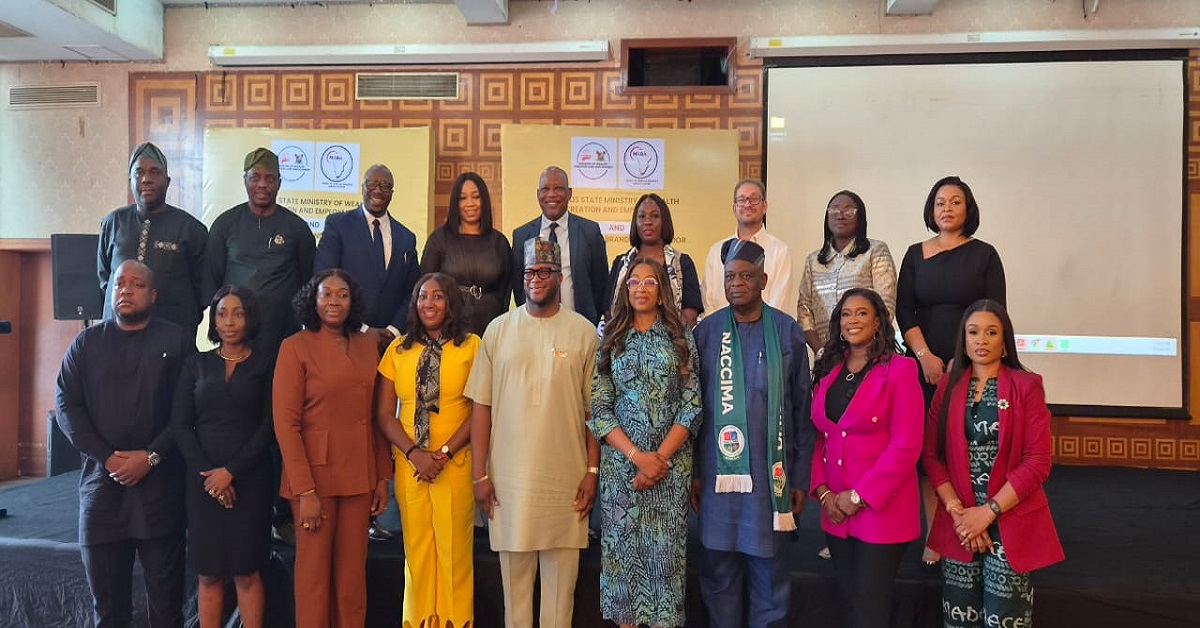
The partnership was announced during the SheExports Conference 2026, organised by MABA in collaboration with the Lagos State Ministry of Wealth Creation and Employment under the theme, Produce, Add Value and Export: A Catalyst for Sustainable Economic Growth.
Speaking at the event, Flora Mbeledeogu, Founder and Chief Executive Officer of MABA, said many Nigerian products fail to reach international shelves because they do not meet global requirements for quality, processing, packaging, certification and traceability.
“We have a lot of work to do among ourselves as women entrepreneurs before we embark on exporting. Product rejections are based on product quality, processing, packaging, certification and traceability,” she said.
Mbeledeogu urged exporters to obtain phytosanitary certification through the Nigeria Agricultural Quarantine Service, stressing that successful exporting requires collaboration across regulatory and industry stakeholders.
She also disclosed that MABA is working with a distribution company in the Netherlands interested in sourcing products from participants in the SheExports programme, making compliance with international standards increasingly important.
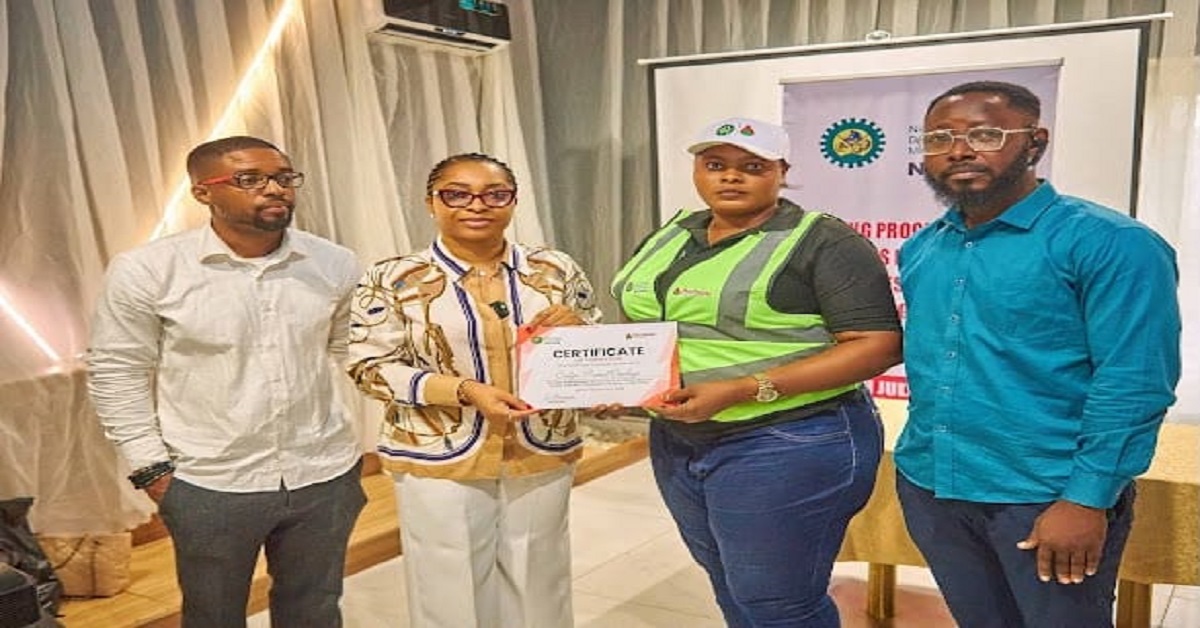
According to her, the initiative has trained 120 women entrepreneurs after selecting its first cohort from more than 300 applicants.
Lagos State Commissioner for Wealth Creation and Employment, Akinyemi Ajigbotafe, said the state would strengthen support for export-ready businesses through the Lagos State Employment Trust Fund (LSETF), offering loans ranging from ₦15,000 to ₦5 million while working with financial institutions to expand financing for businesses requiring larger facilities.
“This is not charity. This is strategic economic investment in our greatest asset, which is our people,” Ajigbotafe said.
He added that the LSETF has already disbursed billions of naira in single-digit interest loans and grants to Lagos entrepreneurs, with women accounting for the majority of beneficiaries.
Also speaking at the conference, Director-General of the Nigerian-British Chamber of Commerce, Adaobi Onyedum, said Nigeria exported 281 distinct non-oil products to 120 countries in 2025, with export volumes reaching 8.02 million metric tonnes.
Despite that progress, she noted that Nigeria accounted for only 0.26 per cent of global trade.
Onyedum urged exporters to focus on value addition, saying processed products generate significantly higher returns than raw commodities in international markets.
Meanwhile, international trade expert and Chief Executive Officer of Traxis Global, Ijeoma Okonkwo, said women entrepreneurs must ensure they have scalable businesses, the required licences, suitable packaging and adequate funding before entering export markets.
“Everybody wants to export, but you need to ask yourself whether you are actually ready. You need scalability, trust, the right licences, proper packaging and an understanding of the regulations in your target markets,” she said.
While funding and compliance dominated discussions, speakers also identified visibility and market trust as critical barriers to export growth.
Speaking in an interview on the sidelines of the event, digital sales expert and host Linda Ochugbua argued that for many export-ready businesses, the greater challenge has shifted from product quality to distribution and consumer trust.
“By using data-driven digital funnels, storytelling and transparency, African-made goods can compete globally,” she said.
Organisers said improving financing, compliance, market visibility and access to international distribution networks would help more Nigerian businesses compete under the African Continental Free Trade Area (AfCFTA) and expand exports into global markets.