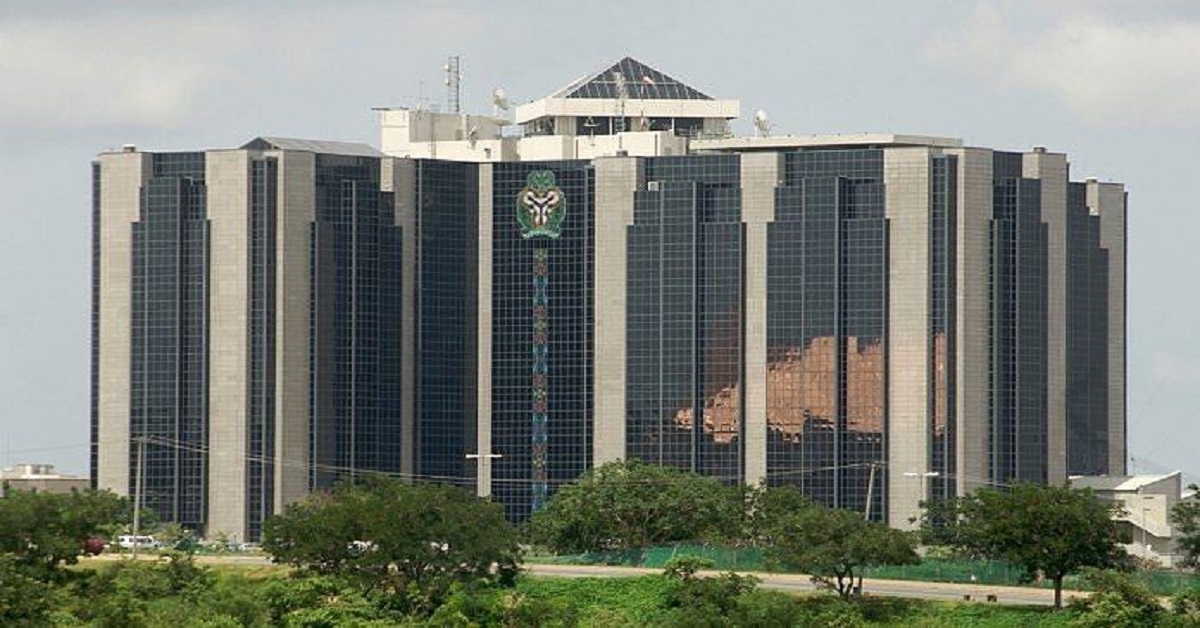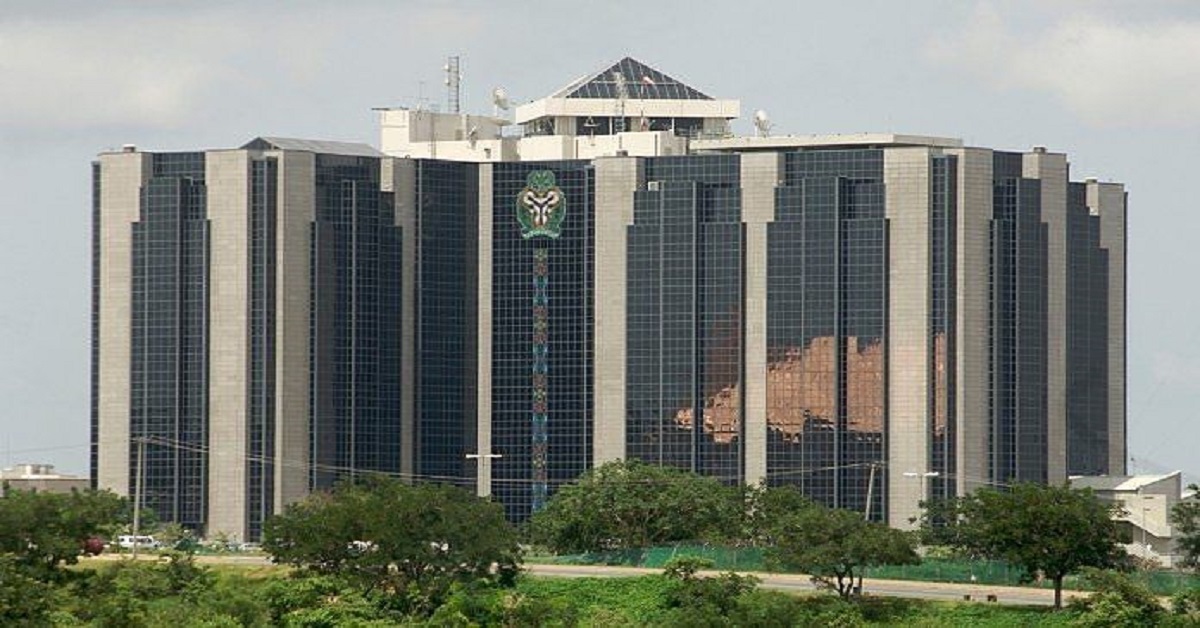
After the withdrawal of regulatory forbearance previously granted to banks, the Central Bank of Nigeria (CBN) revealed that the banking industry’s capital adequacy ratio (CAR) fell to 12 percent in July 2025.
The CBN, in its monthly economic report for July, said that the industry’s CAR dropped by 1.43 percentage points from the level recorded in the previous month.
The decline, according to the CBN, was largely due to the end of temporary relief measures that had earlier allowed banks to cushion the impact of macroeconomic headwinds on their balance sheets.
Capital adequacy ratio measures the financial soundness and shock-absorbing capacity of banks by comparing their capital to risk-weighted assets. A higher ratio indicates greater ability to absorb potential losses and protect depositors’ funds.
Despite the moderation, the CBN stressed that the ratio remained well above the 10 per cent regulatory threshold, a sign that the banking sector retained sufficient strength to absorb shocks from credit and market risks.
The CBN report also noted that while the Liquidity Ratio of the banking sector remained well above the allowable limit, the Non-Performing Loans (NPL) ratio is 2.8 percentage points higher than the allowable limit of 5.0 percent.
The CBN said: “The Nigerian banking sector was broadly stable in the period, as most of the key financial soundness indicators remained within prudential benchmarks.
”The liquidity ratio (LR) strengthened to 62.86 per cent, significantly above the 30.00 per cent regulatory minimum, reflecting the banking sector’s robust short-term solvency and capacity to meet maturing obligations.
“Conversely, the industry’s capital adequacy ratio (CAR) declined by 1.43 percentage points to 12.00 per cent from the level in the preceding month, largely due to the withdrawal of the Bank’s regulatory forbearance in June 2025.
Despite the moderation, it remained above the 10.00 per cent regulatory threshold, underscoring the sector’s sustained ability to absorb credit and market shocks.
“Non-performing loans (NPLs) ratio increased by 2.17 percentage points to 7.80 per cent, above the prudential limit of 5.00 per cent.
”Regardless, overall asset quality remained broadly stable, supported by enhanced supervisory vigilance and risk-based regulatory interventions that have curtailed potential contagion and preserved systemic stability.”