By Chris Onuoha
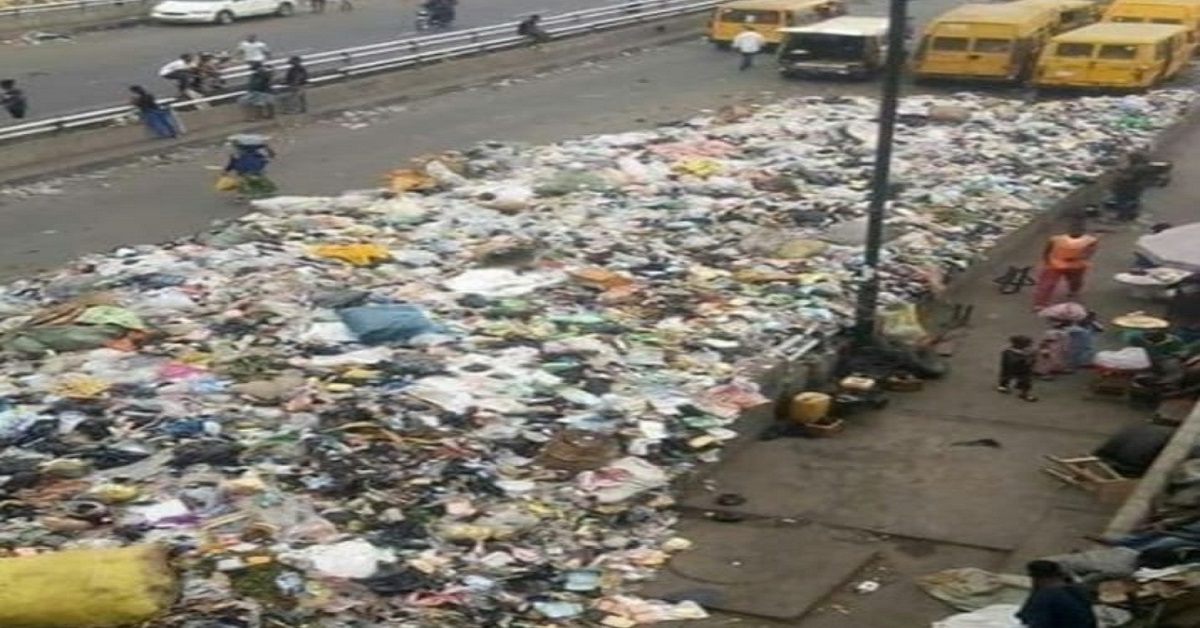
Nigeria’s population is projected to hit 237 million by the year 2025, according to the United Nations recent report. This was explained to drive surging waste volumes and perhaps, over 32 million tonnes annually, as stated by the World Bank.
This has prompted City authorities and private players who would face immense pressure to build sustainable systems to take solid actions to curtail the scourge.
Amidst this pressure, the Extended Producer Responsibility (EPR) policy, launched in 2014 by
National Environmental Standard and Regulations Enforcement Agency NESREA, sparked the Food and Beverage Recycling Alliance (FBRA), Nigeria’s first Producer Responsibility Organisation for food and beverage packaging, in collaboration with Nestle Nigeria PLC, to call for action in 2018.
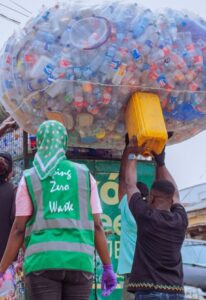
The effort so far has made a significant impact, as the four founding members of FBRA, which has grown to 49 members by November 2025, have recovered over 100,000 metric tonnes of plastic waste and turned it into a circular-economy resource.
In a recent meet for action organized by Nestlé Nigeria and FBRA, the Corporate Communications, Public Affairs, and Sustainability Lead of Nestlé Nigeria, Victoria Uwadoka, said:
“FBRA may not be a household name, but its impact shows in cleaner communities and empowered waste collectors, especially in Lagos.”
In addition, Uwadoka noted that Nestlè as a founding FBRA member and active advocate, embeds planet stewardship in its business. “Producers compete commercially but collaborate on environmental duties,” Uwadoka notes.
She said: “Milestones include Nestlé’s 100% plastic neutrality in December 2023, matching every tonne introduced with recovered and recycled material, and pioneering 50% recycled PET (rPET) in Nestlé Pure Life bottles, meeting SON food-grade standards.
“Via FBRA, producers unite the value chain: collection, recycling, reuse. Manufacturers don’t aim for littered streets,” Uwadoka explains, adding that consumers discard, but FBRA recovers, creates jobs, and builds value.
“Every bottle spared from the ocean counts. Circularity means use, collect, transform, reuse,” she added.
According to her, this partnership proves industry collaboration tackles waste, advances global goals, and builds a cleaner Nigeria, while notifying that progress is underway.