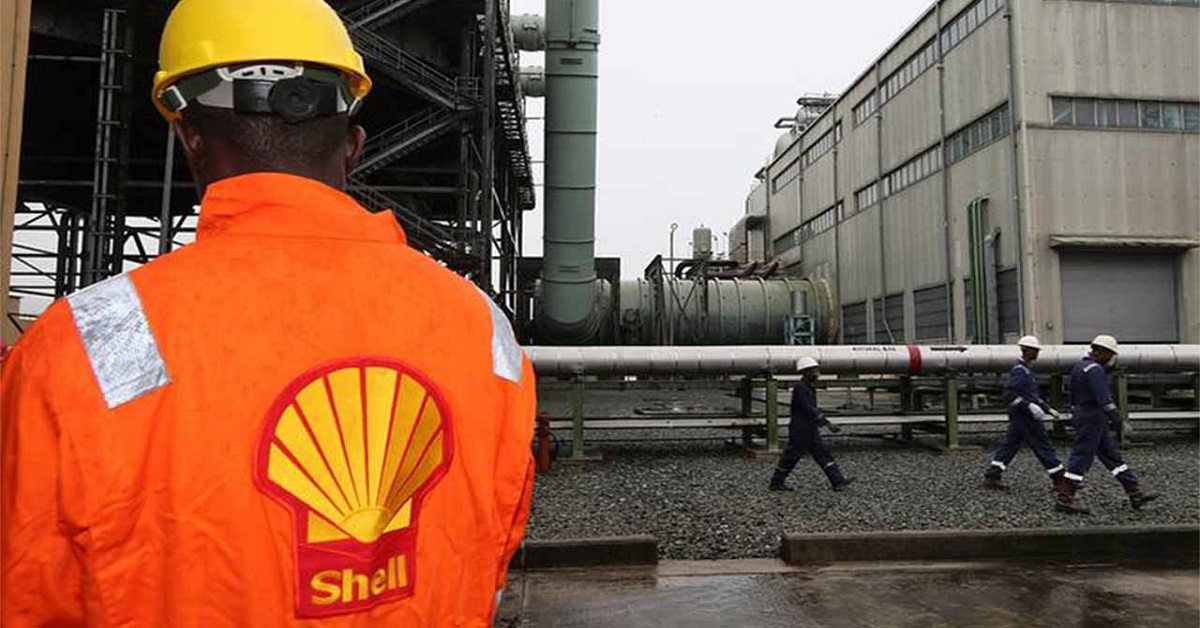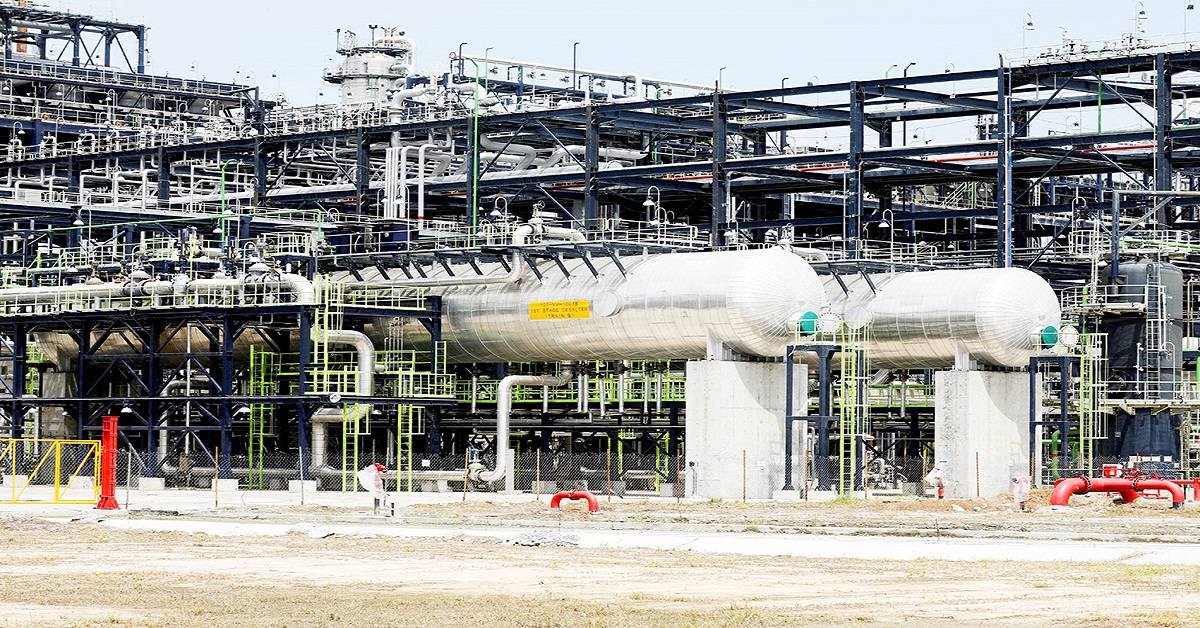
Dangote Refinery is reportedly looking to increase its crude oil imports from Angola and Algeria. At the same time, negotiations with the Nigerian government continue regarding extending the Naira-based crude oil supply agreement.
As the refinery moves closer to its full production capacity of 650,000 barrels per day (kbps), it is diversifying its feedstock sources to meet both local and international demand for refined products.
According to Bloomberg, the refinery has already received over 3 million barrels of American crude since the beginning of the month.
Starting in October 2024, NNPC Limited was expected to begin selling crude oil to domestic refineries in Naira. Dangote Refinery allocated 385,000 barrels per day compared with a requirement of 650,000 barrels per day when operating at full capacity.
However, NNPCL reportedly struggled to meet its supply commitments. Concerns over the deal first emerged last November when Dangote Refinery reported insufficient crude deliveries.
NNPCL’s difficulty in fulfilling supply agreements is likely tied to its prior financial commitments, including a US$1bn forward crude oil deal with the African Export- Import Bank (Afreximbank).
Furthermore, reports indicating that NNPCL may seek an additional US$2bn crude-backed loan to sustain operations have raised further doubts about its ability to supply local refineries.
NNPCL is currently negotiating with Dangote Oil Refinery to extend their six-month Naira-based crude supply agreement.
Under the existing deal, NNPC Ltd has reportedly supplied 48 million barrels of oil to the refinery. However, the full agreed volume was never delivered, and only the Dangote facility benefited from the agreement. If Dangote Refinery increases its crude oil imports, demand for dollars could rise, potentially pressuring the NGN/USD exchange rate.
Additionally, higher-than-expected import levels may negatively impact the outlook of the current account balance for the year.
Furthermore, NNPCL’s inability to supply other modular refineries could hinder its competitiveness and affect its viability. However, an extension of the naira-for-crude deal appears likely, which could help mitigate these risks (see chart below)
Source: CSL