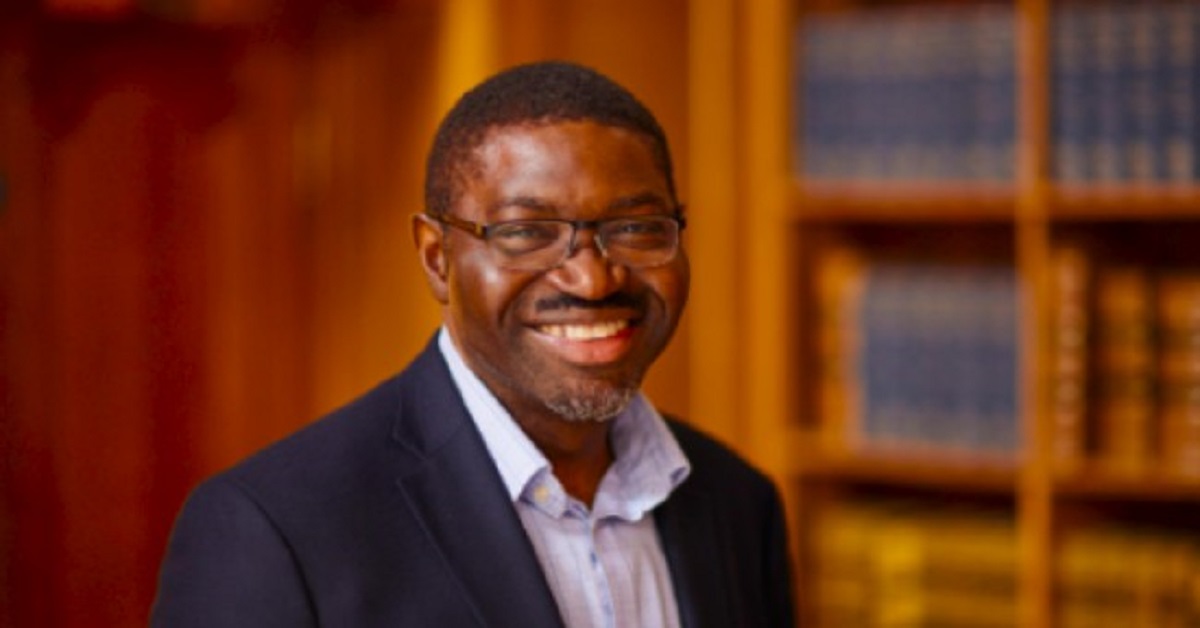
A Nigerian-British legal scholar, Dapo Akande, has been elected a judge of the International Court of Justice (ICJ), the principal judicial organ of the United Nations, marking a significant diplomatic achievement for Nigeria.
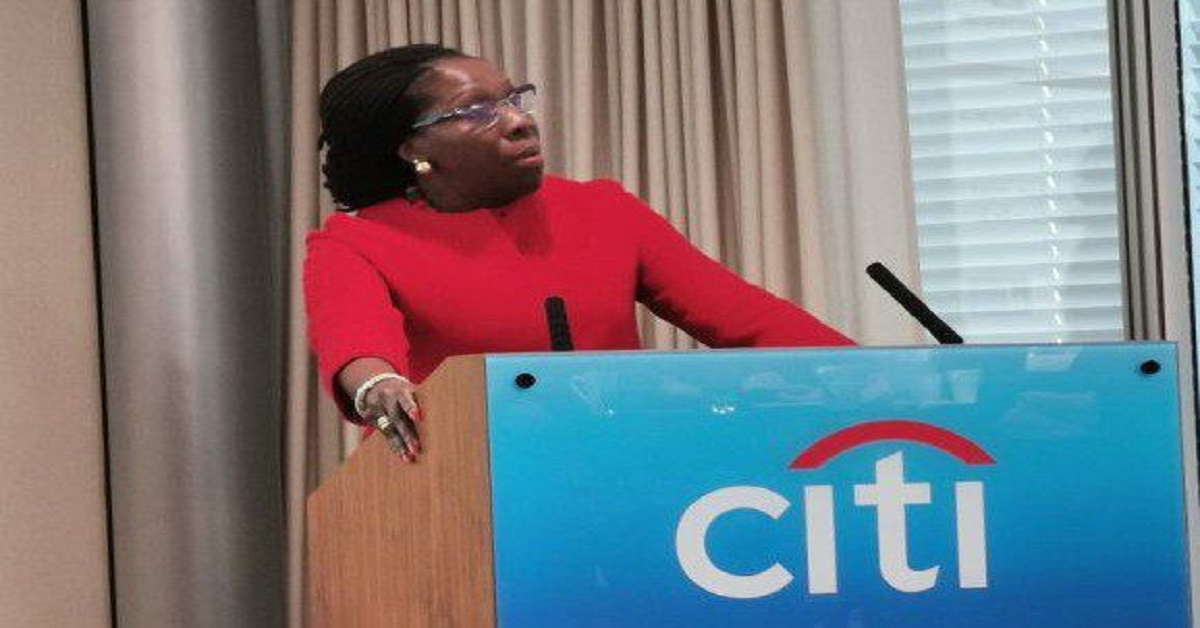
Nigeria’s Permanent Representative to the United Nations, Jimoh Ibrahim, on the development, describing it as a major milestone in the country’s pursuit of greater influence and representation within the United Nations system.
He also congratulated President Bola Tinubu on the development.
In a message posted by the Nigerian Mission to the United Nations, Ibrahim said Akande’s election represented a significant step towards Nigeria’s broader ambition of achieving full representation in the key organs of the United Nations.
He noted that with the successful election of Akande, a professor, to the World Court, Nigeria’s remaining major diplomatic objective is securing membership of the United Nations Security Council.
According to Ibrahim, Nigeria’s continued pursuit of a permanent seat on the Security Council remains central to its ambition of attaining what he described as a “100 per cent achievement” of its United Nations objectives.
Nigeria’s campaign for greater representation in the UN reflects its longstanding position that global institutions must better accommodate Africa’s growing influence, population and contributions to international peace and security.
President Tinubu has consistently advocated reforms that would give Africa a stronger voice in global decision-making.
In August 2025, at the ninth Tokyo International Conference on African Development (TICAD9) in Japan, he argued that Africa deserved at least two permanent seats on the UN Security Council, with full privileges, including veto powers, for as long as the provision exists.
At the 81st UNGA in New York, Nigeria demanded at least two permanent seats for Africa with veto powers and five non-permanent seats for the continent.
While addressing delegates at the UN General Assembly, Tinubu said that the world of 2026 cannot “remain captive to the distribution of power in 1945”.