Every child deserves the right to learn, grow, and dream big. But not every child in Nigeria gets that chance, especially when it comes to 𝐄𝐚𝐫𝐥𝐲 𝐂𝐡𝐢𝐥𝐝𝐡𝐨𝐨𝐝 𝐄𝐝𝐮𝐜𝐚𝐭𝐢𝐨𝐧 (𝐄𝐂𝐄). This is why SDG 4, which stands for “𝑸𝒖𝒂𝒍𝒊𝒕𝒚 𝑬𝒅𝒖𝒄𝒂𝒕𝒊𝒐𝒏 𝒇𝒐𝒓 𝑨𝒍𝒍,” is so important.
It’s not just a global goal; it’s a personal one for every parent, teacher, and leader who cares about the future of our children.
In this article, we’ll break down what SDG 4 really means in a way that’s easy to understand, especially for parents and educators. We’ll also explore how we can make education better for our youngest learners in Nigeria.
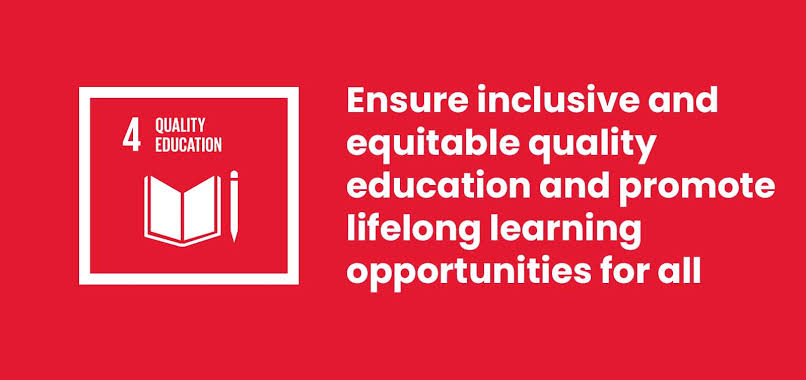
𝐖𝐡𝐚𝐭 𝐢𝐬 𝐒𝐃𝐆 4?
SDG 4 is one of the 17 Sustainable Development Goals set by the United Nations. Its aim is simple but powerful: to ensure that everyone, regardless of where they live, has access to inclusive and quality education by the year 2030.
For young children, this means having access to early learning opportunities that are safe, nurturing, and engaging, whether they live in cities or remote villages.
𝐖𝐡𝐲 𝐄𝐚𝐫𝐥𝐲 𝐂𝐡𝐢𝐥𝐝𝐡𝐨𝐨𝐝 𝐄𝐝𝐮𝐜𝐚𝐭𝐢𝐨𝐧 (𝐄𝐂𝐄) 𝐌𝐚𝐭𝐭𝐞𝐫𝐬
According to UNICEF, 90% of a child’s brain develops before the age of five. That’s why ECE is not just a “𝒏𝒊𝒄𝒆-𝒕𝒐-𝒉𝒂𝒗𝒆”; it’s a
“𝒎𝒖𝒔𝒕-𝒉𝒂𝒗𝒆”. The right foundation during these early years helps children develop social skills, language, creativity, and emotional strength.
Yet, in many parts of Nigeria especially rural areas, ECE is either poor in quality or missing entirely. Schools are overcrowded, teachers are undertrained, and learning materials are outdated or unavailable.
𝐑𝐞𝐚𝐥-𝐋𝐢𝐟𝐞 𝐄𝐱𝐚𝐦𝐩𝐥𝐞: Chidera’s Story
Chidera is a 4-year-old girl living in a small rural village in Northern Nigeria. Her parents want her to start school, but the nearest preschool is two hours away, and the family can’t afford transport.
Even when children like Chidera manage to attend school, they often face large class sizes and little attention from teachers who may not be trained in early childhood development.

𝐖𝐡𝐚𝐭 𝐂𝐚𝐧 𝐏𝐚𝐫𝐞𝐧𝐭𝐬 𝐃𝐨?
- 𝐂𝐫𝐞𝐚𝐭𝐞 𝐚 𝐋𝐞𝐚𝐫𝐧𝐢𝐧𝐠 𝐒𝐩𝐚𝐜𝐞 𝐚𝐭 𝐇𝐨𝐦𝐞:
• Set up a small area for your child to read, draw, or play.
• Use everyday items like bottle caps or spoons for counting and color games.
- 𝐓𝐚𝐥𝐤 𝐚𝐧𝐝 𝐑𝐞𝐚𝐝 𝐃𝐚𝐢𝐥𝐲:
• Simple conversations and bedtime stories can build vocabulary and communication skills.
- 𝐄𝐧𝐠𝐚𝐠𝐞 𝐢𝐧 𝐏𝐥𝐚𝐲-𝐁𝐚𝐬𝐞𝐝 𝐋𝐞𝐚𝐫𝐧𝐢𝐧𝐠:
• Use songs, games, and storytelling to teach your child. Learning through play is powerful!
- 𝐉𝐨𝐢𝐧 𝐚 𝐂𝐨𝐦𝐦𝐮𝐧𝐢𝐭𝐲 𝐆𝐫𝐨𝐮𝐩:
• Many areas have parent groups or informal preschools that offer support.
𝐖𝐡𝐚𝐭 𝐂𝐚𝐧 𝐄𝐝𝐮𝐜𝐚𝐭𝐨𝐫𝐬 𝐃𝐨?
1. 𝐔𝐬𝐞 𝐂𝐡𝐢𝐥𝐝-𝐂𝐞𝐧𝐭𝐞𝐫𝐞𝐝 𝐀𝐩𝐩𝐫𝐨𝐚𝐜𝐡𝐞𝐬:
• Focus on activities that involve interaction, creativity, and problem-solving.
2. 𝐊𝐞𝐞𝐩 𝐋𝐞𝐚𝐫𝐧𝐢𝐧𝐠 𝐚𝐬 𝐚 𝐓𝐞𝐚𝐜𝐡𝐞𝐫:
• Take free online CPD (Continuous Professional Development) courses.
• Collaborate with other teachers to share ideas and teaching materials.
3. 𝐈𝐧𝐯𝐨𝐥𝐯𝐞 𝐏𝐚𝐫𝐞𝐧𝐭𝐬:
• Communicate regularly with parents about their child’s progress.
• Give home-based learning tips during PTA meetings or through WhatsApp.
𝐖𝐡𝐚𝐭 𝐂𝐚𝐧 𝐏𝐨𝐥𝐢𝐜𝐲𝐦𝐚𝐤𝐞𝐫𝐬 𝐃𝐨?
1. 𝐈𝐧𝐯𝐞𝐬𝐭 𝐢𝐧 𝐓𝐫𝐚𝐢𝐧𝐢𝐧𝐠 𝐟𝐨𝐫 𝐄𝐂𝐄 𝐓𝐞𝐚𝐜𝐡𝐞𝐫𝐬:
• Trained educators are key to quality education.
2. 𝐏𝐫𝐨𝐯𝐢𝐝𝐞 𝐓𝐞𝐚𝐜𝐡𝐢𝐧𝐠 𝐌𝐚𝐭𝐞𝐫𝐢𝐚𝐥𝐬 𝐚𝐧𝐝 𝐈𝐧𝐟𝐫𝐚𝐬𝐭𝐫𝐮𝐜𝐭𝐮𝐫𝐞:
• Many rural schools need books, toys, and better classrooms.
3. 𝐒𝐮𝐩𝐩𝐨𝐫𝐭 𝐂𝐨𝐦𝐦𝐮𝐧𝐢𝐭𝐲-𝐁𝐚𝐬𝐞𝐝 𝐋𝐞𝐚𝐫𝐧𝐢𝐧𝐠 𝐂𝐞𝐧𝐭𝐞𝐫𝐬:
• These can bring ECE closer to children in remote areas.
𝐑𝐞𝐬𝐞𝐚𝐫𝐜𝐡-𝐁𝐚𝐜𝐤𝐞𝐝 𝐈𝐧𝐬𝐢𝐠𝐡𝐭:
A study by the Global Partnership for Education found that every dollar invested in early education returns up to $17 in social and economic benefits. This shows that ECE is not just good for children, it’s good for the nation.
𝐂𝐨𝐧𝐜𝐥𝐮𝐬𝐢𝐨𝐧: 𝐀 𝐒𝐡𝐚𝐫𝐞𝐝 𝐑𝐞𝐬𝐩𝐨𝐧𝐬𝐢𝐛𝐢𝐥𝐢𝐭𝐲
Improving Early Childhood Education in Nigeria isn’t the job of the government alone. It takes a village; parents, teachers, community leaders, and policymakers all have a role to play.
Let’s ensure that every Nigerian child, whether in a bustling city or a quiet village, gets the chance to learn, thrive, and shine.
𝑩𝒆𝒄𝒂𝒖𝒔𝒆 𝒘𝒉𝒆𝒏 𝒘𝒆 𝒊𝒏𝒗𝒆𝒔𝒕 𝒊𝒏 𝒄𝒉𝒊𝒍𝒅𝒓𝒆𝒏 𝒕𝒐𝒅𝒂𝒚, 𝒘𝒆 𝒃𝒖𝒊𝒍𝒅 𝒂 𝒔𝒕𝒓𝒐𝒏𝒈𝒆𝒓 𝑵𝒊𝒈𝒆𝒓𝒊𝒂 𝒕𝒐𝒎𝒐𝒓𝒓𝒐𝒘.
𝘑𝘰𝘪𝘯 𝘵𝘩𝘦 𝘤𝘰𝘯𝘷𝘦𝘳𝘴𝘢𝘵𝘪𝘰𝘯. 𝘚𝘩𝘢𝘳𝘦 𝘵𝘩𝘪𝘴 𝘢𝘳𝘵𝘪𝘤𝘭𝘦. 𝘓𝘦𝘵’𝘴 𝘮𝘢𝘬𝘦 𝘲𝘶𝘢𝘭𝘪𝘵𝘺 𝘦𝘥𝘶𝘤𝘢𝘵𝘪𝘰𝘯 𝘧𝘰𝘳 𝘢𝘭𝘭 𝘢 𝘳𝘦𝘢𝘭𝘪𝘵𝘺!
About the Author:
Eseaga Onyinyechi Gift is an early childhood educator with over four years of teaching experience. She holds a B.A.Ed in Early Childhood Education from the University of Lagos and an NCE in Accounting Education.
She is a certified UNESCO MIEP Digital Teacher and a registered TRCN educator. E. O. Gift is currently venturing into virtual tutoring, NGO volunteering, social work, and kids’ entrepreneurship.
She writes educational content, is a passionate upcoming children’s researcher, and is deeply committed to God, children, and technology