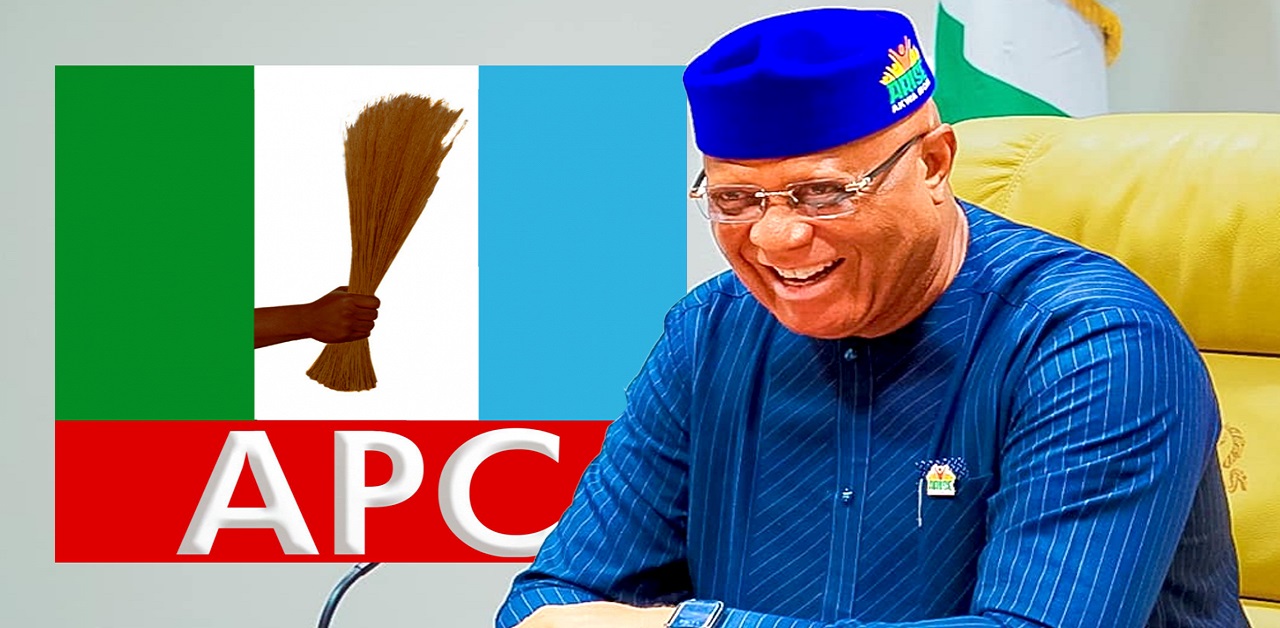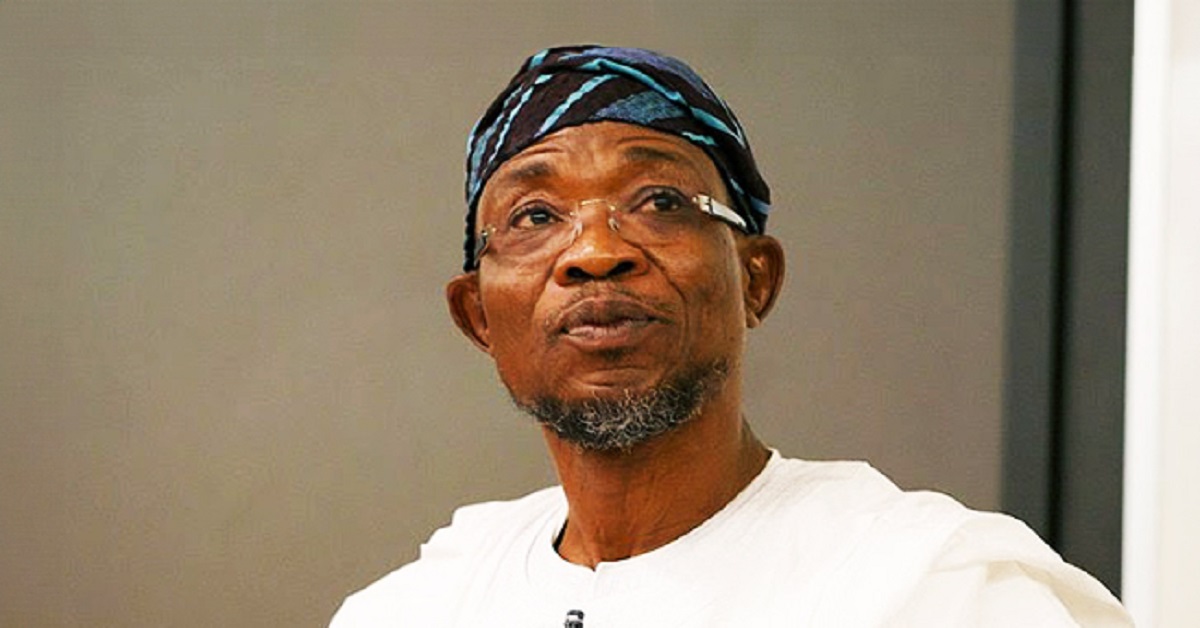
The recent appointment of former Osun State Governor Rauf Aregbesola, as the interim National Secretary of the African Democratic Congress (ADC) – now the adopted platform for a broad opposition coalition aiming to unseat the ruling All Progressives Congress (APC) in 2027 – marks a significant development in Nigeria’s political landscape.
What makes this move particularly intriguing is Aregbesola’s deep historical ties and once-unshakeable political alliance with President Bola Ahmed Tinubu.
This analysis will delve into the factors motivating Aregbesola’s shift and the implications for the upcoming elections.
The Fractured Alliance: From Protégé to Political Adversary
Rauf Aregbesola’s political journey is inextricably linked with that of Bola Tinubu. Aregbesola served for eight years as Tinubu’s Commissioner for Works and Infrastructure during Tinubu’s tenure as Lagos State Governor (1999-2007).
He was widely considered a key protégé, benefiting immensely from Tinubu’s political machinery and backing, which eventually saw him ascend to the governorship of Osun State in 2010 after a protracted legal battle.
Their collaboration was instrumental in shaping the progressive political bloc in the South-West and the eventual formation of the APC.
However, the once-solid relationship began to fray, eventually leading to a public and acrimonious fallout.
The genesis of their estrangement can be traced to disagreements over Osun State politics, particularly concerning the 2022 governorship election.
Aregbesola, then Minister of Interior under former President Muhammadu Buhari, openly clashed with Tinubu and his camp over the re-election bid of his successor, Gboyega Oyetola (Tinubu’s nephew).
Aregbesola’s faction, the Omoluabi Progressives, did not support Oyetola, and Oyetola ultimately lost to the Peoples Democratic Party (PDP) candidate, Ademola Adeleke.
This public display of disunity signaled an irreparable rift. Aregbesola, in his acceptance speech for the ADC role, alluded to the nature of existing political parties as “empty shells merging and splitting, not based on policy or principle, but on the pursuit of power and personal interests,” a subtle but clear critique of the APC’s internal dynamics.
His camp has also cited “ostracisation, suspension, and expulsion” without fair hearing from the APC as reasons for their departure.
Why the ADC? A Strategic Platform for Disenfranchised Elites
Aregbesola’s move to the ADC, rather than another established opposition party like the PDP or Labour Party (LP), is strategic.
The ADC has been adopted as the platform for a newly formed “National Opposition Coalition Group” (NOCG), bringing together various prominent political figures from different parties, including former Vice President Atiku Abubakar, Peter Obi of the Labour Party, former Rivers State Governor Rotimi Amaechi, and former Kaduna State Governor Nasir El-Rufai.
For Aregbesola, the ADC offers:
A Fresh Start and Broader Coalition: Unlike the internal crises plaguing the PDP and LP, the ADC presents itself as a new, unified front. It allows Aregbesola to align with a broader spectrum of opposition figures, potentially leveraging their collective strengths and grievances against the APC.
Ideological Positioning: Aregbesola’s acceptance speech emphasized the need for an ideologically-driven party committed to the people, democratic values, social justice, and national development.
This aligns with a desire to differentiate the ADC from what he perceives as the “power and personality”-driven politics of the major parties, including the APC.
This narrative allows him to present himself as a principled actor advocating for a different political path.
Leveraging His Base: Despite the fallout with Tinubu, Aregbesola maintains a significant political structure and following, particularly in Osun State and among a segment of the progressive bloc.
His appointment as National Secretary suggests he will play a crucial role in mobilizing these resources for the new coalition.
A Seat at the Table: As Interim National Secretary, Aregbesola now holds a pivotal position within the opposition coalition, giving him a direct influence on strategy, party building, and candidate selection for the 2027 elections.
This is a far cry from his increasingly marginalized position within the APC.
Implications for 2027 Elections
Rauf Aregbesola’s defection and new role in the ADC carry several implications for the 2027 general elections:
Weakening APC in the South-West: While Tinubu’s stronghold remains significant in the South-West, Aregbesola’s move further chips away at the APC’s unity in the region. His ability to pull supporters, especially in Osun, could impact the APC’s electoral fortunes.
Strengthening the Opposition Coalition: Aregbesola’s political acumen and grassroots mobilization skills, combined with the influence of other notable figures like David Mark and Atiku Abubakar, could make the ADC a formidable force. His presence lends credibility to the coalition’s claim of being a viable alternative.
Narrative Control: Aregbesola’s articulate criticisms of the current political landscape and his emphasis on ideological politics could resonate with disaffected voters and help shape the narrative against the APC.
Intensified Political Rumbles: The 2027 elections are still some time away, but this development signals an early intensification of political maneuverings.
The APC will likely work to counter the influence of the new coalition, potentially leading to further defections or strategic alliances.
Conclusion
Rauf Aregbesola’s transition from a close ally of President Tinubu to a leading figure in the opposition’s quest to unseat the APC is a culmination of a long-simmering feud and a strategic realignment for 2027.
His move to the ADC, now the chosen platform for a diverse opposition coalition, is not merely a personal one but a calculated political maneuver aimed at leveraging his influence and challenging the status quo.
The coming months will undoubtedly reveal the full extent of this shift’s impact on Nigeria’s political landscape as the road to 2027 heats up.