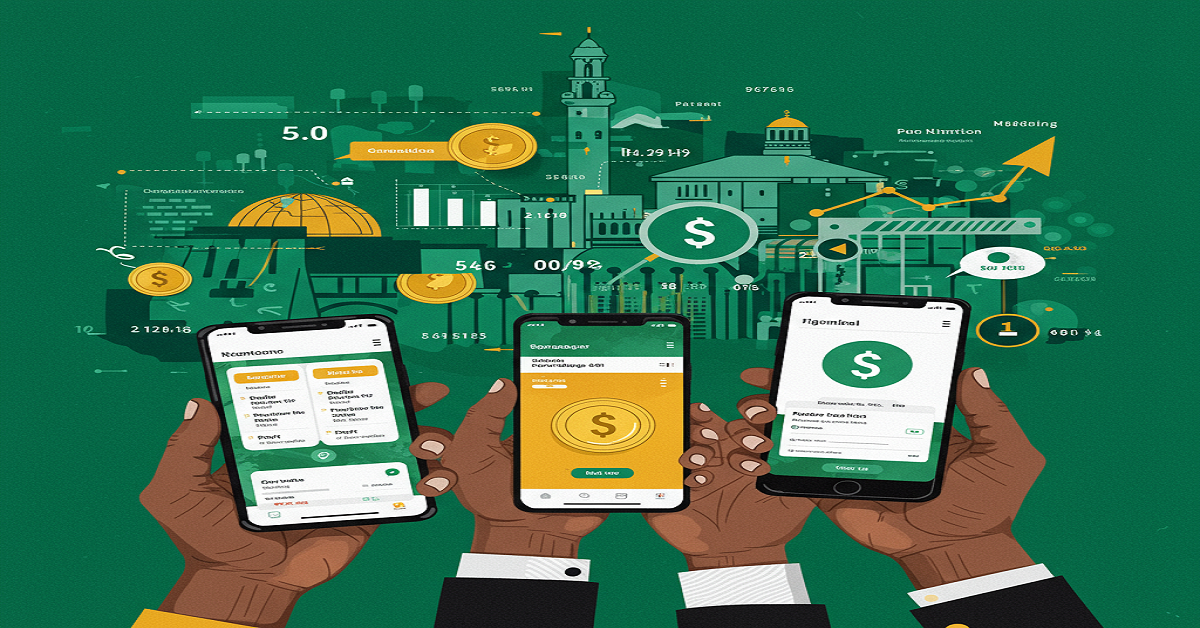
Nigeria’s Buy Now, Pay Later (BNPL) market is experiencing a significant boom, poised to reach an impressive $1.62 billion this year and projected to surge to $2.61 billion by 2030.
This remarkable growth trajectory is primarily fueled by the rapid expansion of the country’s vibrant fintech sector and evolving consumer preferences for flexible payment solutions.
The BNPL model, which allows consumers to make purchases and pay for them in interest-free installments, has rapidly gained traction across Nigeria.
Driven by increasing e-commerce activities and a growing demand for convenient credit options, BNPL has emerged as a powerful alternative to traditional credit, particularly for a population seeking greater financial flexibility.
Industry reports indicate that the Nigerian BNPL market has witnessed robust growth in recent years, demonstrating a compound annual growth rate (CAGR) of 23.1% between 2021 and 2024.
This upward trend is expected to continue, with projections of a 10.0% CAGR from 2025 to 2030, solidifying BNPL’s position as a transformative force in the nation’s financial landscape.
Fintech companies are at the forefront of this revolution, leveraging digital technology to offer seamless and accessible BNPL services.
These platforms are not only simplifying transactions but also playing a crucial role in advancing financial inclusion by providing credit access to individuals and small businesses who may not have traditionally qualified for formal lending channels.
The proliferation of over 400 licensed digital lenders in Nigeria underscores the depth of innovation and commitment within the fintech ecosystem to bridge existing financing gaps.
Changing consumer preferences are also a key driver. Nigerians are increasingly embracing digital payment methods and seeking transparent, easy-to-use credit options.
The allure of BNPL lies in its straightforward application processes, often instant approvals, and the ability to manage purchases without the complexities and often higher interest rates associated with traditional credit cards.
This shift in consumer behavior is leading to higher conversion rates for merchants and larger average order values, further stimulating the market.
Strategic partnerships between BNPL providers and established e-commerce platforms, such as Jumia’s collaborations with Easybuy and CredPal, are significantly expanding the reach of deferred payment services.
Beyond online retail, BNPL is also making inroads into sectors like transportation and utilities, making larger expenses more accessible through installment plans.
An example of this is the Nigerian government’s “convert now, pay later” initiative for vehicle conversions to compressed natural gas (CNG), showcasing the diverse applications of the model.
As the BNPL market matures, experts anticipate intensified competition among providers, leading to a diversification of offerings and enhanced accessibility for a wider consumer base.
Regulatory developments, including potential guidelines from the Central Bank of Nigeria for non-interest digital banks and tax incentives for fintech firms, are expected to further shape the sector, ensuring sustainable growth and consumer protection.
With its significant potential to boost consumer purchasing power, drive digital transformation, and foster greater financial inclusion, the BNPL market is set to solidify Nigeria’s position as a leading fintech hub in Africa in the years to come.


