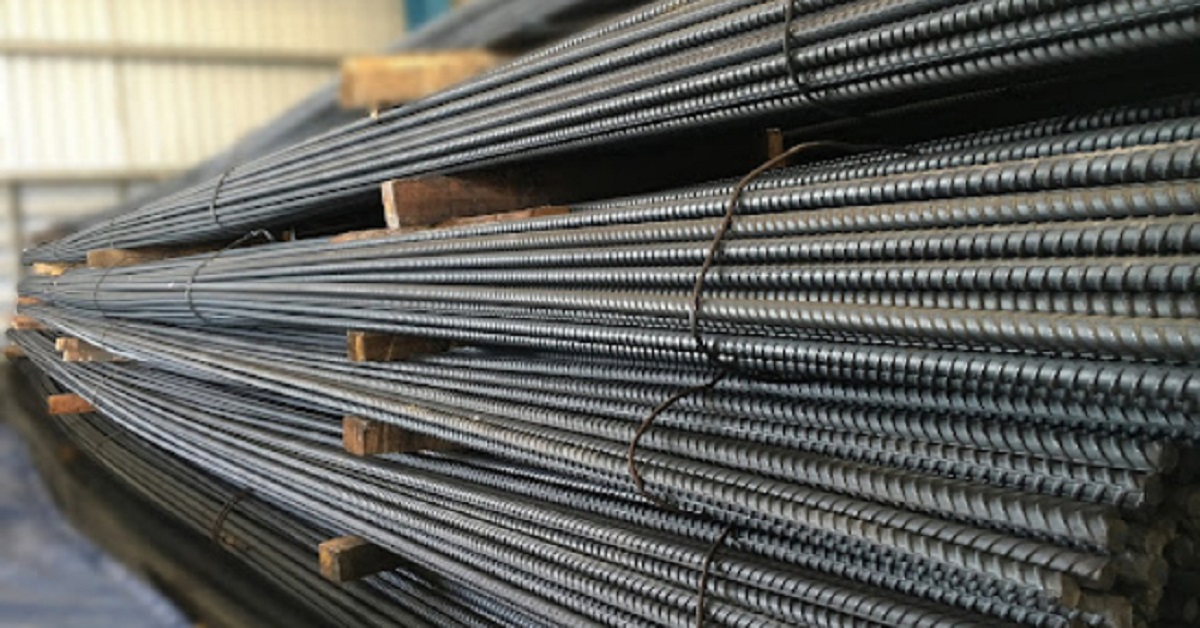
The Minister of Steel, Shuaibu Audu, says the Federal Government loses a total of $4 billion annually in foreign exchange to imported steel products.
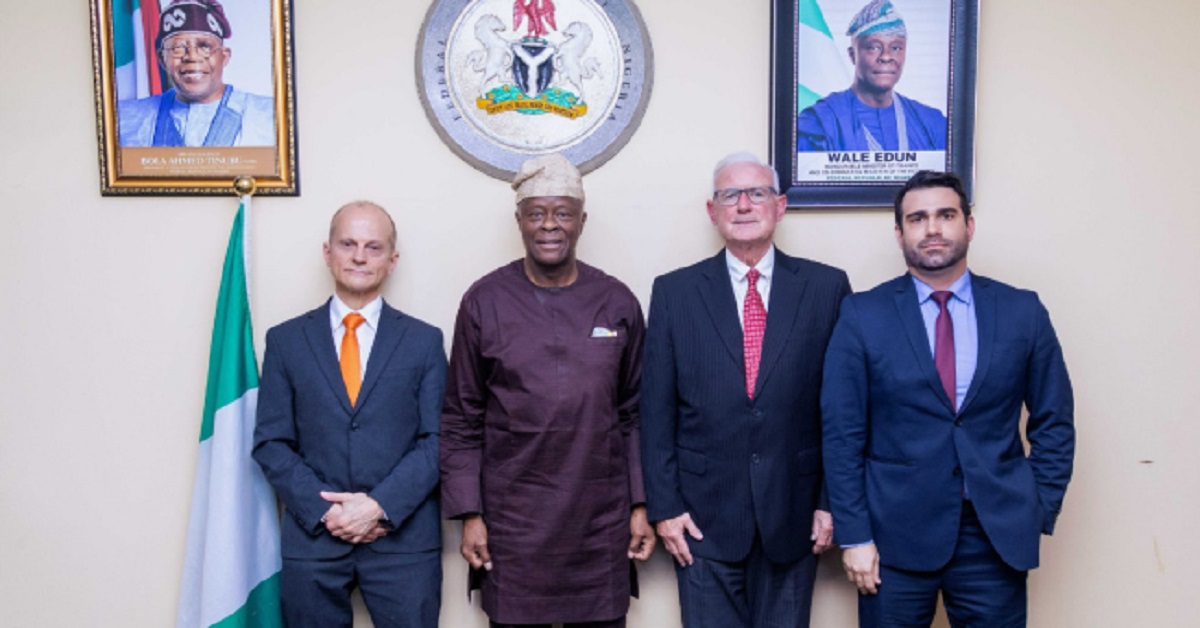
He disclosed this during a press conference on Thursday to announce the maiden National Steel Summit coming up on July 15, 2025.
Audu assured Nigerians that before the expiration of the first term of President Bola Tinubu’s administration, the first section of the Ajaokuta Steel Plant should kickstart operation.
He stated that President Tinubu has been actively working to ensure the utilisation of the abundant raw steel materials in Nigeria and the emergence of a steel sector in the country.
At the upcoming summit, the Minister asserted that it will provide a platform to engage with potential investors and critical stakeholders on practical steps to revive and sustain the steel sector.
Stark Reality
The announcement from Nigeria’s Minister of Steel Development echoes a stark reality: Nigeria hemorrhages an estimated $4 billion annually to imported steel products.
This staggering figure is more than a mere statistic; it represents a colossal drain on the nation’s foreign exchange reserves, a severe blow to local industrialization, and a missed opportunity for job creation on a massive scale.
For a nation blessed with abundant iron ore deposits and a clear vision for economic growth and industrialization, this reliance on foreign steel is a bitter pill.
Steel is the backbone of any developing economy – the very skeleton upon which infrastructure (roads, bridges, buildings), manufacturing (vehicles, machinery), and even defence industries are built.
Without a robust local steel industry, Nigeria’s ambition for self-sufficiency and a diversified economy remains largely unfulfilled.
The perennial struggles of iconic projects like the Ajaokuta Steel Company loom large over this narrative. Decades and billions of dollars have been poured into these ventures, yet their full operational capacity remains a distant dream.
This failure has inadvertently created a vacuum, eagerly filled by cheaper, and sometimes substandard, imported steel, perpetuating the cycle of dependence.