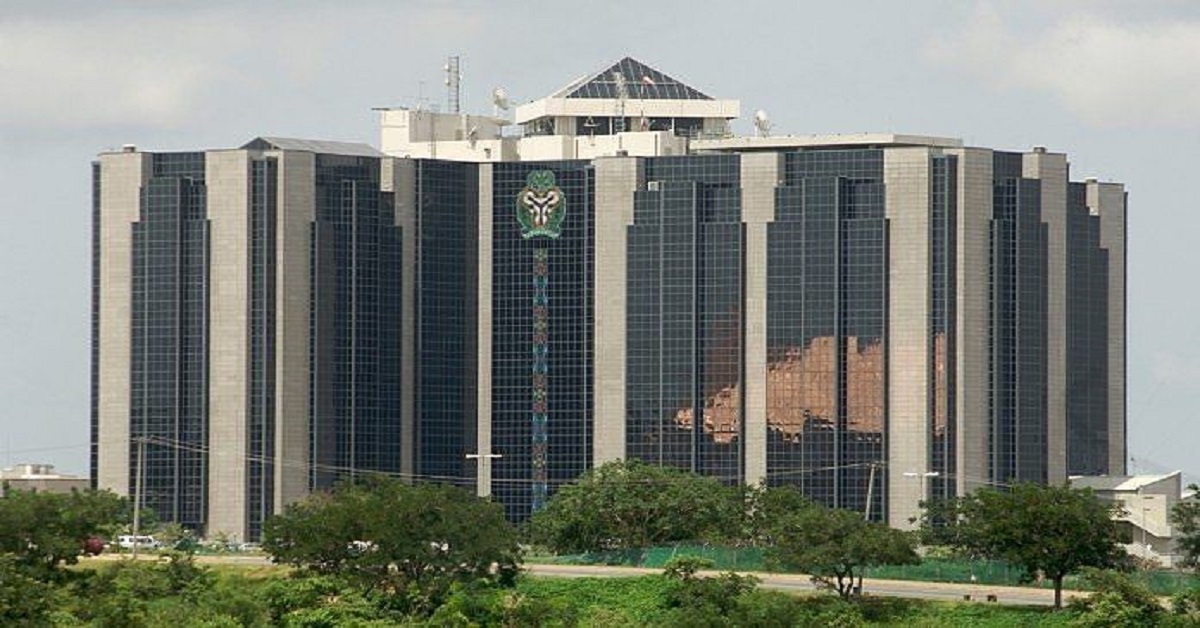
A Business Expectations Survey Report released by the Central Bank of Nigeria (CBN) has shown that multiple high taxes, bank charges, and inadequate infrastructure were the top challenges for Nigerian businesses in September 2025.
According to the survey, respondents identified High Bank Charges (70.8), High/Multiple Taxes (70.8), and Poor Infrastructure (70.7) as the three most pressing challenges hindering business operations across the country.
However, the report said businesses still showed hope, as the Confidence Index stood at 31.5 index points in September 2025.
While businesses in the North East expressed the highest level of optimism, at 48.7 index points, those in the South East recorded the lowest, at 7.3 index points.
The apex bank said low optimism in the South-East may be linked to a higher prevalence of business constraints, including poor infrastructure and multiple taxation at state and local levels.
Other notable constraints identified by businesses include unfavourable economic policies (64.9), unpredictable exchange rate movements (62.3), limited access to credit (58.5), and inflationary pressures (55.6).
At the lower end of the list, the report noted, were competition (40.4) and insufficient power supply (37.8), which, while still significant, were less frequently cited compared to financial and fiscal burdens.
The survey also projected optimism to peak at 51.8 index points over the next six months, signaling cautious confidence among respondents about future economic conditions.
Nigeria’s economy continued its upward momentum in September 2025, PMI rising to 54.0 points, according to CBN’s latest Purchasing Managers’ Index (PMI).
The CBN noted that the index increased from 51.7 points in August, marking the tenth consecutive month of expansion.
The report further indicated that the Composite PMI growth, driven by strong performances across the Industry, Services, and Agriculture sectors, reflected a continued improvement in overall economic activity and business confidence nationwide.