By Victor Ogiemwonyi
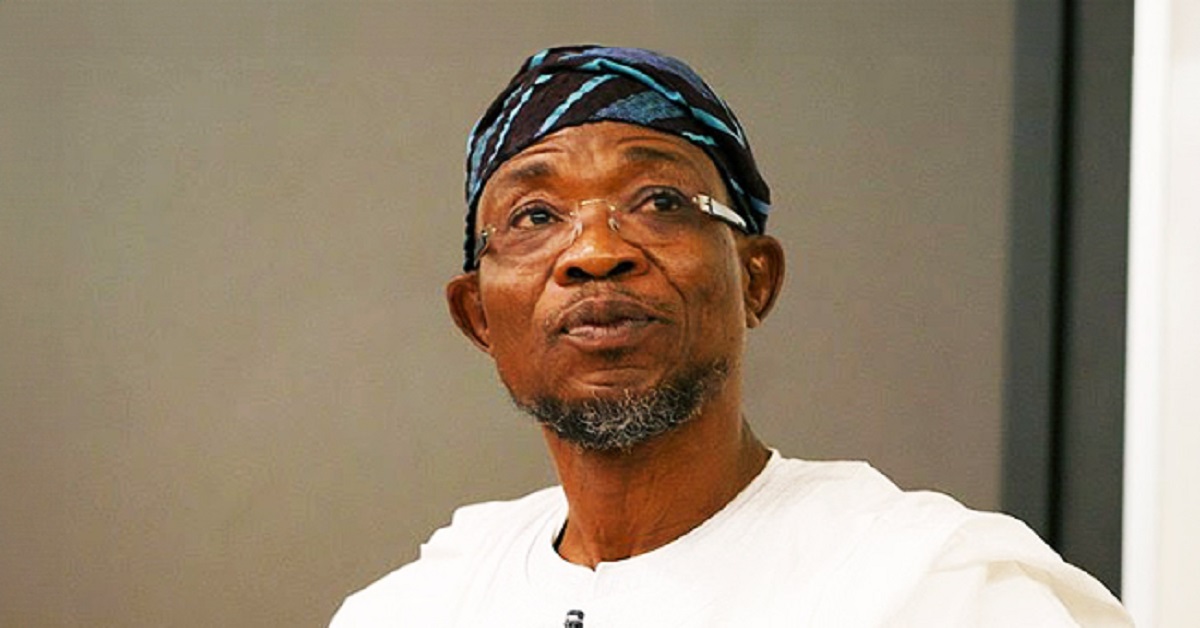
The Nigerian Pension Commission (PENCOM) recently welcomed a new chairman, Otunba Opeyemi Agbaje. He is a fine gentleman I have followed since his days at GTBank.
We started writing for BusinessDay Newspapers around the same time. I religiously followed his column. I have also been an active participant in his Policy Council from its inception, both on television and now as a WhatsApp forum. I can claim to know him.
PENCOM has been fortunate to have a long line of very competent people. They include those who helped establish the industry in Nigeria and have regulated it since its inception. I expect nothing less from Mr Agbaje and his Board. I want to suggest an agenda for them.
This will provide me with the basis upon which to benchmark their performance in the future.
Lessons from the Capital Market
This is not the first time I have proposed an agenda for a Regulator. Sometime in 2010, I suggested an agenda for Ms Arunma Oteh.
She was appointed the Director General (DG) of the Securities and Exchange Commission (SEC) during a crisis in the Nigerian Capital Market. Reporters from BusinessDay Newspapers asked for my suggestions during an interview that they later published.
I suggested three focus areas for her:
Resolve Disputes: Clean out all disputes and claims from the collapse of the Nigerian Stock Market in 2009.
Foster Self-Regulation: Focus on the rapid development of market associations. These associations would serve as her monitors in the market.
Many of the groups we see today did not exist then, apart from a few like the Association of Issuing Houses (AIHN), which is responsible for the primary side of the capital market, actually (The Association of Investment Bankers, which cuts across the Bank and non-Bank institutions in the market).
These associations are now monitors and self-regulating entities. They keep the market vibrant and self-correcting. The market has fewer infractions today than at any other time in its history. I believed then that self-regulation was the best regulation.
If market participants organise and work with Regulators, the market becomes more accountable. Regulation then becomes easier and more efficient.
Implement Reforms: Focus attention on implementing the Adedotun Suliaman committee report on the Nigerian Capital Market.
This committee was established in response to the 2008 financial crisis in the US. It was a proactive move by the then SEC Chairman, Senator Udo Udoma, better to prepare the market for the impending crisis in Nigeria.
The Suliaman Committee’s Impact
The committee comprised some of the brightest minds in our market, including individuals within Nigeria and in the diaspora.
For instance, Ms Yvonne Ike, managing Director of Renaissance Capital, West Africa, who was previously a Managing Director at JP Morgan, was a standout.
Her work ethic and devotion were unparalleled. I was a member of that committee, and I know how often she hosted a small group in her home to ensure the work got done.
The committee’s work was detailed and benchmarked against best market practices globally. Many of its recommendations are why the market is working so well today.
This work could have been more impactful. It might have partially saved the market from the 2009 stock market crisis if the Government had taken our suggestions seriously and intervened. Unfortunately, the authorities did not react quickly enough before the crash came.
During our work, we encountered a brewing crisis and feared its potential impact. We established a subcommittee to focus on the findings.
Warning the Government.
The sub-committee’s report was grave. The SEC Chairman, Senator Udo Udoma, brought the matter to the attention of the Federal authorities. He arranged a meeting at the Federal Ministry of Finance in Abuja.
Attendees included the Minister of Finance, Mallam Shamsuddeen Usman, as our host; the Governor of the Central Bank of Nigeria (CBN), Professor Chukwuma Soludo; the Director General of SEC, Mr Musa Al-Faki; the Economic Adviser to the President, Mr Yakubu Tanimu; and Mr Udo Udoma, representing the Government.
Three of us were chosen to represent the market: Mr Adedotun Sulaiman, the committee chairman, a very experienced former chairman of Accenture, the consulting firm. Mr. Tola Mobolurin, a Capital Market expert, and I.
We presented our findings, stating that the exposure of our Banks was far larger than reported. Our review indicated that the Banks were exposed in a vulnerable manner that could lead to a severe crisis.
We asked for immediate intervention. We feared a market crash, coupled with a large exit of foreign portfolio investors, that could trigger a currency crisis.
Despite our alarm, the Government’s reaction was understated. Professor Soludo, the CBN Governor, outrightly dismissed our concerns.
He said most Bank Managing Directors were his personal friends and that he would have known if the numbers were that large.
The Minister of Finance, Mallam Shamsuddeen Usman, laughed us out of his office jokingly. He quipped that we had privatised the profits when times were good but now wanted to socialise the losses in bad times.
The arguments grew heated. Mr Mobolurin became frustrated and agitated. He warned that this was precisely what US officials did in 1929, burying their heads in the sand before the crash.
Our cool-headed chairman, Mr Sulaiman, intervened. He admonished us to step back. He said we had done our job and should leave them with the reports to do what they wished.
The Government did not take specific action before the market crash. However, Professor Soludo, the CBN Governor, must have read our reports later. He issued notices for Banks to disclose their full exposure to the capital markets.
The problem was complicated because many Banks did not distinguish between a margin loan trading line and an overdraft backed by shares.
A margin loan was a credit line to trade securities. Beneficiaries were required to deposit a 30% margin upfront. This margin absorbed any market decline.
The Bank controlled the trade and could halt it if the 30% margin vanished and the trader failed to replenish it. An overdraft line was lending to buy specific stocks the Bank believed would be profitable. The blurring of this line made the true exposure much bigger than anyone knew.
Given that Ms. Oteh implemented all three recommendations, her tenure was successful. She was effective and brought about many changes.
The Agenda for PENCOM
I am now encouraged to do the same for our pension subsector. It is another vital segment of Nigeria’s financial markets. The Nigerian Pension industry is vast and full of unrealized opportunities. Its potential has not been fully exploited.
Therefore, I would like to highlight and present three broad agenda items for the new Chairman and his Board to consider.
- Growth in Size: Participants and Investment
No industry needs size more than the pension Industry. Its growth must be continuous and perpetual because its liabilities are also perpetual.
It must have perpetual streams of revenue and contributions to meet these obligations consistently. Revenues are more critical than profits, even though profitable investments are the goal. Revenues to meet day-to-day commitments are more important.
The current move to tap the vast opportunities in the informal sector is a step in the right direction.
I would like to see Pension companies come together. They should address our significant infrastructure deficits, which also present vast commercial opportunities.
They should enter into syndication arrangements and pool resources to make commercial infrastructure projects work. This will create a perpetual source of revenue while diffusing the associated risks.
Imagine two or three large pension companies backing a project like the Lagos–Abuja rail line. They would de-risk the project, then invite other investors and infrastructure companies to join.
This is a practical way to create revenue. It would take care of our very young population, who are now contributing to their pensions.
These projects not only reduce our infrastructure deficits but also create other opportunities, jobs, and new pension contributors.
I expect that the current size of the industry, currently about N25 trillion (Assets Under Management), can be five times larger by the time Mr Agbaje and his team complete their first five-year tenor.
- Expanding the Investment Horizon.
The Regulator should also issue guidelines to allow Pension Companies to invest abroad. The recent stability in the Naira presents an opportunity.
The sovereign and pension companies of Norway and Singapore all invest abroad. This diversifies risks and generates returns in areas of growth.
The pension industry’s size is relatively small compared to its potential. It should be a consistent source of capital formation that many other industries can rely on for their growth.
Creating these investment revenue streams is crucial to the rapid development of the sector. They should also aim to benefit from available investment management expertise by using multi-managers for assistance.
- Aim To Be the Top-Ranked Regulator.
They must take their Regulatory Responsibility seriously. They must understand that their role is to enable the industry they are regulating.
They must avoid the tendency to constantly generate revenue for the regulator. This happens through all manner of fees and constantly playing ‘the police’.
They should adopt the thinking that less regulation is not necessarily bad regulation. They should help their industry modernize its processes. They should bring plenty of insights to facilitate constant improvements that serve their stakeholders better.
Our pension industry has a long way to go. It has the potential to influence development in many other areas. Mr Agbaje and his Board have the opportunity of a lifetime to make a huge difference.
About the Author
Victor Ogiemwonyi is a retired Investment Banker and writes from Ikoyi, Lagos. Follow his thoughts on the market at marketconversations.substack.com